

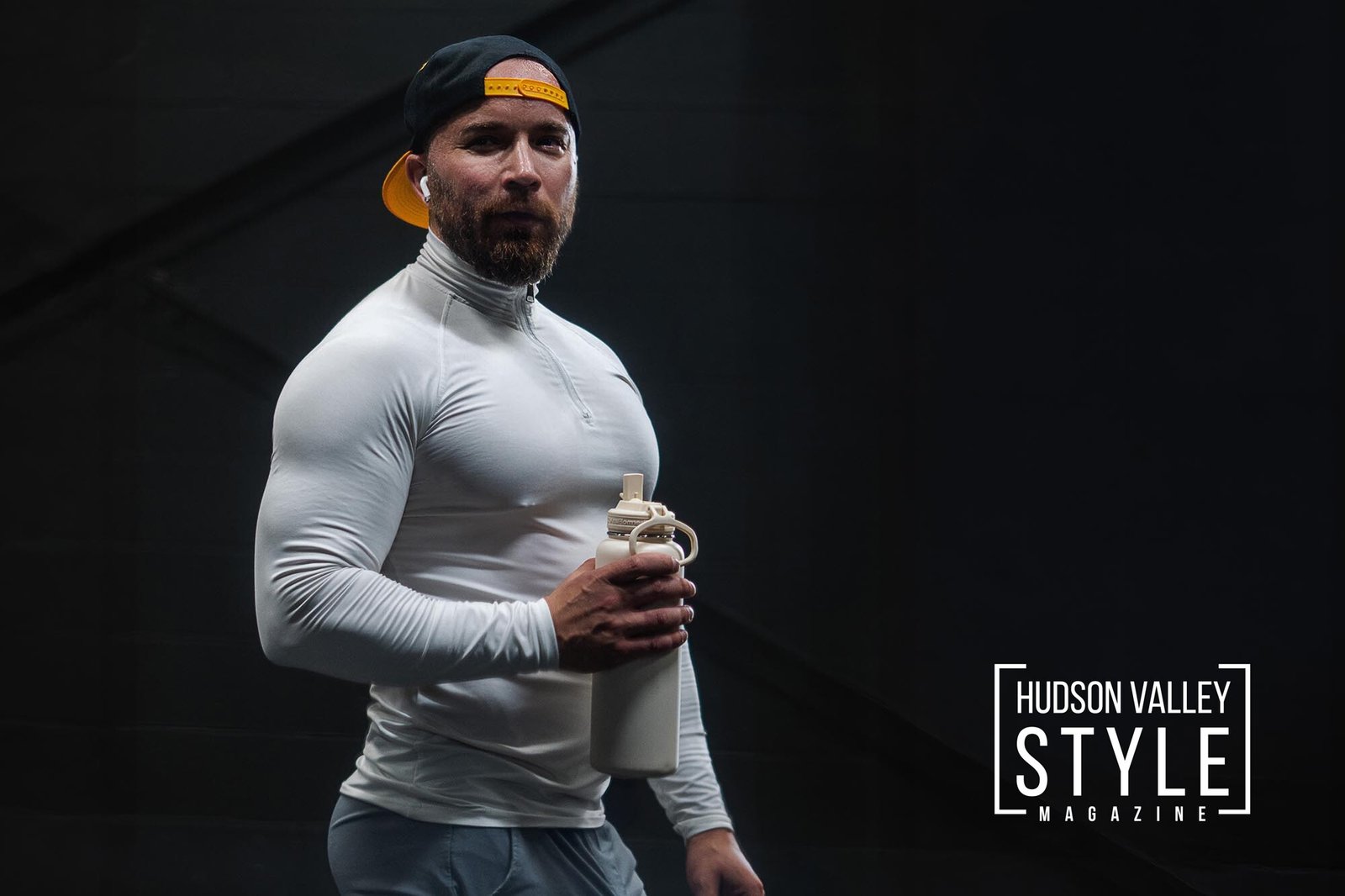
There comes a moment when every bodybuilder realizes that training after 40 has become a partnership with age. The goal evolves from surviving brutal workouts to building a stronger, healthier body capable of growing for decades. The good news remains beautifully simple: muscle continues to respond remarkably well to resistance training after 40. The strategy becomes more intelligent, more precise, and considerably less interested in impressing the twenty-two-year-old recording lateral raises beside the dumbbell rack.
Bodybuilding After 40 with Maxwell Alexander – Coach, Artist and Alary Health Co-Founder – Episode 1: The Basics – Presented by Alary Health
After decades of training, coaching, photographing the human form, and treating my own body as an ongoing creative project, I have learned that maturity can become an advantage. Experience teaches us how to distinguish productive intensity from unnecessary punishment. We begin to understand the language of our joints, tendons, energy levels, sleep patterns, and nervous system. Our muscles may still feel twenty-five. Our shoulders, meanwhile, have already retained legal counsel.

// Bodybuilding After 40: Top 10 Quick Tips by Maxwell Alexander
1. Train Smarter, Not Longer
Many lifters believe longer workouts produce better results, yet focused sessions often deliver greater progress after forty. Build every workout around progressive overload, excellent technique, and purposeful exercise selection instead of spending hours drifting through the gym. Every repetition deserves intention. Better movement quality stimulates more muscle while reducing unnecessary stress on joints, tendons, and connective tissue.
2. Prioritize Recovery
Muscle grows between workouts. Quality sleep, planned rest days, mobility work, proper hydration, and stress management become essential parts of every successful bodybuilding program. Recovery creates the environment where progress happens.
3. Eat Enough Protein
Protein becomes increasingly important with age because muscle protein synthesis becomes slightly less efficient. Include a high-quality protein source at every meal to support muscle repair and recovery. Lean meats, fish, eggs, dairy, and plant-based combinations all contribute to maintaining lean muscle while supporting an active lifestyle.
4. Train Every Muscle Twice Per Week
Research consistently supports moderate training frequency for muscle growth. Spreading training volume across two weekly sessions often produces greater strength gains, improved technique, and steady progress while reducing excessive soreness.
5. Build Strength Before Chasing Size
Strong muscles create muscular physiques. Prioritize compound movements such as squats, presses, rows, pull-ups, and deadlift variations to develop functional strength alongside muscle mass. These foundational lifts also improve bone density, posture, coordination, metabolism, and the confidence that comes from becoming genuinely capable.
6. Get Your Hormones Evaluated
Persistent fatigue, declining performance, slower recovery, reduced motivation, or changes in libido deserve a conversation with a qualified healthcare provider. Comprehensive blood work can identify nutritional deficiencies, thyroid concerns, testosterone levels, and other factors that influence both health and athletic performance. Understanding your physiology allows informed decisions based on evidence.
7. Leverage Desire as Motivation
Wanting to look attractive provides a healthy reason to train. Building confidence, enjoying intimacy, expressing your sexuality, and appreciating your own reflection can become powerful long-term motivators. Spend a few minutes posing after your workout or even training or posing naked at home to develop greater body awareness alongside muscular awareness. Confidence grows through familiarity. Your body deserves appreciation throughout every stage of life.
8. Train Your Mind Alongside Your Body
The greatest bodybuilding program in the world reaches its full potential through emotional resilience, self-respect, discipline, and a clear sense of purpose. Every workout strengthens more than muscle. It reinforces your relationship with yourself.
9. Support Longevity and Aesthetics
A complete fitness program combines resistance training, cardiovascular exercise, mobility, flexibility, and regular medical screenings. Cardiovascular exercise supports heart health and endurance. Mobility preserves movement quality. Preventive healthcare helps identify potential concerns early. Building an impressive physique and lifelong health move forward together.
10. Play the Long Game
The most impressive physiques after forty grow through thousands of ordinary training sessions repeated over many years. Small improvements accumulate into extraordinary results. Consistency creates strength. Patience creates muscle. Healthy habits become a lifestyle that continues rewarding you for decades.

Recovery Becomes Part of the Training
One of the greatest changes after 40 involves recovery. In our twenties, many of us could train hard, sleep too little, eat inconsistently, and still make progress. Youth has an extraordinary capacity for forgiving nonsense. After 40, recovery becomes part of the training program itself.
Your muscles continue to grow through progressive overload, adequate nutrition, and consistent training. Your joints, tendons, connective tissue, and nervous system benefit from greater attention and respect. The best program leaves you prepared to return to the gym ready to improve again. Exhaustion may produce an impressive limp across the parking lot, although a limp has yet to qualify as progressive overload.
For me, the foundation looks like this:
- Lift four to five days per week.
- Train every major muscle group approximately twice weekly.
- Focus on progressive overload with excellent form.
- Stay within one to three repetitions of failure during most working sets.
- Save the occasional Shakespearean death scene for leg day.
- Include mobility work and cardiovascular training to support recovery, heart health, endurance, and longevity.
Training close to failure can stimulate muscle growth while allowing technique to remain controlled. Every repetition should serve a purpose. Momentum, ego, and theatrical grunting may create an exciting atmosphere, yet the muscle responds most consistently to tension, range of motion, and progressive challenge. Contrary to popular gym mythology, additional decibels rarely activate additional muscle fibers.
Protein, Nutrition, and the Mature Muscle
Nutrition also evolves with age. Research suggests that older lifters may benefit from a generous and consistent protein intake because mature muscle can require a stronger nutritional signal to stimulate muscle protein synthesis. Older muscles become luxury clients. They appreciate premium protein, substantial servings, and punctual delivery.
Aim for meaningful portions of high-quality protein throughout the day while keeping your total daily intake sufficient to support muscle growth, recovery, and your individual energy needs. Eggs, fish, poultry, lean meats, dairy products, soy foods, legumes, and thoughtfully selected protein supplements can all contribute to a balanced approach.
Carbohydrates also support performance, training intensity, glycogen restoration, and recovery. Dietary fats play essential roles in hormone production, cellular health, and nutrient absorption. A successful bodybuilding diet after 40 brings these elements together rather than turning every meal into a joyless spreadsheet wearing grilled chicken.
Sleep: The Greatest Anabolic Tool
Sleep becomes one of the most powerful anabolic tools available. Tissue repair, nervous system restoration, memory, immune function, and numerous hormonal processes all benefit from quality rest. Seven and a half to nine hours of sleep can produce more visible progress than adding another workout to an already demanding schedule.
Sleep may lack the visual excitement of a chrome supplement container, yet the body remains deeply impressed by it. Your recovery program begins long before your head reaches the pillow through consistent timing, a comfortable sleeping environment, balanced stress levels, and habits that help your nervous system settle.
A well-rested body trains with greater focus, steadier energy, and better coordination. It also possesses a lower probability of becoming injured while attempting to lift a weight selected by the ego rather than the hamstrings.

Hormones and Comprehensive Metabolic Health
Hormones deserve thoughtful attention as we age, although they represent one part of a much larger picture. Energy, strength, libido, body composition, mood, sleep, recovery, thyroid function, cardiovascular health, stress, nutrition, and mental well-being all interact. Every bodybuilder entering their forties can benefit from an open conversation with a qualified medical provider about comprehensive metabolic and preventive health.
As a co-founder of Alary Health in Poughkeepsie, New York, I have the privilege of helping build a hybrid mental health and longevity clinic designed around this integrated philosophy. Our approach begins with understanding the individual, evaluating health through licensed medical providers, and creating a personalized plan that supports healthy aging, performance, recovery, and long-term vitality.
Every body tells a different story. Following a comprehensive medical evaluation, one person may benefit from hormone optimization, another from nutritional support, another from physician-supervised peptide therapy or NAD+ treatment, while someone else may benefit most from improved sleep, stress management, hydration, mental health care, and structured strength training.
Depending on a patient’s health profile and individual goals, medically guided care may include testosterone replacement therapy, hormone replacement therapy, physician-supervised peptide therapies, NAD+ therapy, IV vitamins and hydration, regenerative treatments, and additional longevity-focused programs. The objective centers on restoring balance, improving recovery, supporting performance, and helping the body thrive throughout every decade.
One recommendation I offer fellow bodybuilders entering their forties remains simple: seek professional evaluation and learn what your body actually needs. Choose licensed providers who review your laboratory results and treat you as a patient, not a transaction. Credentials and clinical follow-through matter more than any marketing polish.
Modern preventive medicine provides remarkable tools for understanding changes in energy, recovery, metabolism, body composition, and hormonal health. Knowledge creates agency. A clear medical picture allows training, nutrition, recovery, and treatment decisions to become more personal and precise.
The Mind Builds the Body
Recovery reaches far beyond muscle tissue. After more than twenty years in bodybuilding, I have become convinced that the mind participates in every physical transformation. Anxiety, burnout, unresolved trauma, chronic stress, loneliness, and emotional exhaustion influence every workout, every meal, every night of sleep, and every adaptation the body attempts to make.
This may raise a few eyebrows. Fortunately, bodybuilding has already raised the rest of me.
I believe bodybuilding is 90 percent mind and 10 percent body. The remaining ten percent involves remembering where you left your lifting straps, which may explain why the mathematics becomes increasingly complicated after 40.
For more than two decades, I have explored the intersection of creativity, sexuality, desire, photography, bodybuilding, and personal transformation. My art and my body have become parallel creative projects, each influencing the other. I have studied the human form through the camera, the gym mirror, lived experience, and the endless choreography between discipline and desire.
Looking back, emotional resilience has been the greatest factor in sustaining both my physique and my creative life. Genetics matter. Nutrition matters. Training programs matter. Supplements may offer support. Yet the mind determines whether we return, adapt, remain curious, and continue believing in the possibility of transformation.
Many men spend years optimizing nutrition while carrying anxiety, depression, burnout, loneliness, trauma, or overwhelming stress. These experiences can influence recovery, motivation, sleep, relationships, hormones, and physical performance. Mental health care therefore belongs within the larger conversation about strength, wellness, and longevity.

Integrated Mental Health and Longevity Care
This understanding fuels my excitement about Alary Health’s future expansion of integrated mental health and longevity services throughout New York State. Through in-person mental health care in Mid Hudson Valley region and planned telehealth services, people across the state can gain access to licensed therapists alongside comprehensive longevity and preventive medical care.
Whether someone lives in Manhattan, the Hudson Valley, a rural community, or another part of New York, they deserve access to modern, evidence-informed healthcare delivered with attention, dignity, and human connection. High-quality care can flourish far beyond the familiar wellness corridors of Fifth Avenue, Los Angeles, and the Hamptons.
Longevity means adding energy, movement, creativity, intimacy, confidence, and possibility to the years ahead. A long life gains its fullest meaning through the quality of the experience within it.
Before this becomes a queer existentialist lecture with biceps, let us return to bodybuilding.

Building a Body for the Decades Ahead
This series offers practical advice for real people navigating real bodies after 40. We will explore training splits, recovery strategies, nutrition, sleep, mobility, cardiovascular health, hormones, mental wellness, and the wonderfully mysterious phenomenon of sleeping in the wrong position and waking up with a legitimate sports injury.
Bodybuilding after 40 becomes an invitation to grow stronger, wiser, and more resilient with every passing year. The body remains capable of extraordinary transformation. It simply asks us to become better students of it.
In the next episode, we will explore training splits, weekly volume, exercise selection, recovery strategies, motivation, leveraging sexuality, and the practical structure of building a physique that continues improving long after society expects us to slow down.
Welcome to Bodybuilding After 40 with Maxwell Alexander. We are building for the decades ahead.
Inforgraphic: Bodybuilding After 40 with Maxwell Alexander

About author: Coach Maxwell Alexander is a bodybuilder, certified fitness trainer, artist, and Co-Founder of Alary Health, where he focuses on wellness strategies for bodybuilders, men’s health, longevity, and preventive wellness.