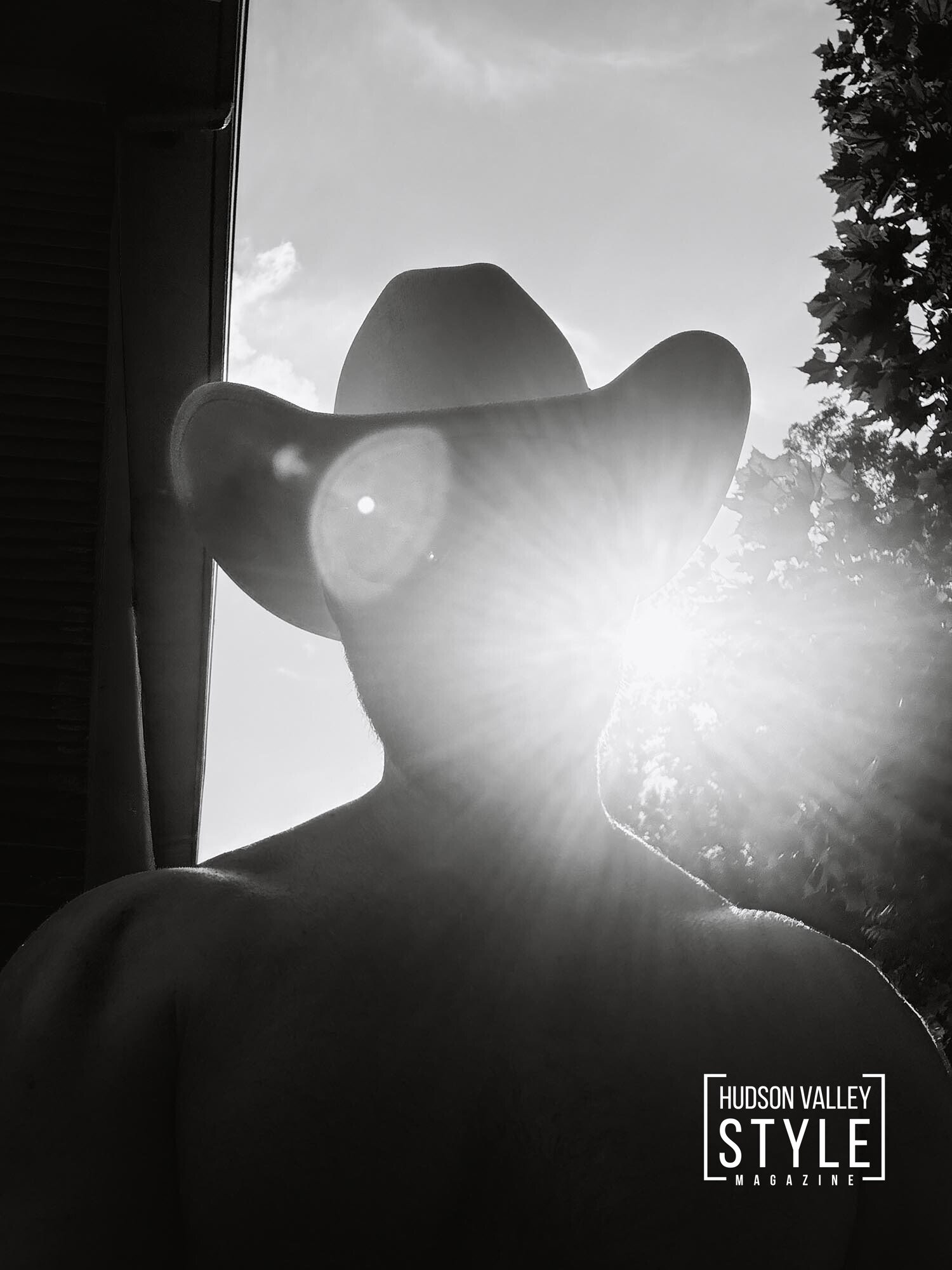


Autumn has arrived in the Hudson Valley, and I am sitting in my Catskills cabin wearing a cowboy hat, contemplating cellular biology over a cup of tea. Outside, the forest is turning gold, the air has acquired that delicious October crispness, and my yoga mat is waiting for me on the floor. Somewhere between answering emails, stretching my back, and deciding whether today’s adventure requires hiking boots or considerably less clothing, I have been thinking about NAD+, a molecule involved in the biological machinery that keeps our bodies alive.
The Catskill Mountains Cowboy Philosopher: NAD+, Autumn in the Hudson Valley, and the Cellular Science of Living Well — Experiential Hospitality 101 | Wellness Travel | Longevity | Mental Health | LGBTQ+ — By Maxwell Alexander, MA, BFA, Editor-in-Chief of Hudson Valley Style Magazine, Certified Fitness Trainer, Bodybuilding and Sports Nutrition Coach, Wellness Travel Philosopher and Queer Artist
My fascination with longevity begins with a fairly simple ambition: I would like to remain strong, curious, sexually alive, mentally engaged, and physically capable of enjoying this beautiful planet for as long as possible. As a certified fitness trainer, bodybuilding and sports nutrition coach, and an enthusiastic practitioner of the ancient art of minding my own business in the woods, I approach wellness through the relationship between the body, its environment, and the freedom to enjoy both.

Modern science is beginning to illuminate that relationship at extraordinary levels of biological detail. Researchers are examining cellular energy metabolism, mitochondrial function, circadian rhythms, the gut-brain axis, and the physiological effects of natural environments. Meanwhile, Indigenous knowledge systems have long understood human wellbeing through relationships with land, community, ecological rhythms, and cultural practices. These are different forms of knowledge, with different methods and histories, yet their growing presence in contemporary wellness conversations raises a fascinating question: what happens when the future of longevity begins reconnecting the human body with the living world?

The Patriarchy Invented a Very Complicated Way to Be Alive
Human civilization has accomplished remarkable things, although its historical leadership has displayed an almost supernatural ability to make ordinary human existence unnecessarily complicated. For generations, patriarchal institutions organized bodies around labor, productivity, obedience, and control. Men were expected to produce, women were expected to reproduce, and anyone whose body, desires, or imagination wandered beyond the approved operating instructions was invited to explain themselves to a committee of deeply concerned gentlemen.
Those gentlemen were frequently wearing elaborate hats, which makes my own cowboy hat feel like a historically appropriate instrument of intellectual resistance.

Industrialization intensified an older habit of treating the human body as something that could be separated from its surroundings. Work moved indoors, daily schedules became increasingly governed by clocks, artificial lighting extended productive hours, and the natural environment was progressively reorganized around economic extraction. The human organism, meanwhile, continued operating according to biological systems shaped through an evolutionary history that preceded factories, corporate calendars, and the modern enthusiasm for measuring every waking minute.
There is a delightful absurdity in constructing environments that interfere with ordinary human rhythms and then creating entire industries devoted to helping people recover from those environments. We spend our days under artificial lighting, sitting in climate-controlled rooms, eating industrially processed food, and responding to electronic demands. Then we purchase a weekend in the mountains to experience daylight, fresh air, movement, and the revolutionary possibility of sleeping properly.
My earlier essay, The Suburban Cowboy Philosopher: Sunlight, Privacy, Leisure and the Economics of Simply Being Human, explored this contradiction through the experience economy and the architecture of hospitality. A country home offers temporary access to conditions that urban and industrial environments often make scarce: privacy, outdoor space, natural light, seasonal food, and the freedom to organize a day around personal pleasure rather than institutional expectations.
Now I want to take that argument deeper, all the way into the cells.

NAD+ and the Microscopic Art of Staying Alive
Nicotinamide adenine dinucleotide, mercifully abbreviated NAD+, is a coenzyme found throughout living cells. It participates in redox reactions that allow cells to transfer electrons during metabolic processes, helping convert nutrients into usable energy. NAD+ also serves as a substrate for enzymes involved in cellular signaling, DNA damage responses, and other biological functions associated with maintaining cellular integrity.
For someone who spends considerable time thinking about bodybuilding, nutrition, and recovery, the implications are intellectually irresistible. The visible body is an extraordinary arrangement of invisible processes. Every squat, hike, stretch, and enthusiastic encounter with a particularly steep Catskills trail depends on countless coordinated reactions occurring beneath the skin.
A 2025 review in Nature Aging examined emerging strategies for targeting NAD+ metabolism, including its relationships with energy homeostasis, cellular signaling, aging, and disease. Researchers are investigating how NAD-related pathways might contribute to understanding biological aging and whether manipulating those pathways can produce meaningful improvements in human health.

The distinction between understanding a biological mechanism and demonstrating a clinical benefit is essential. A 2026 systematic review in Ageing Research Reviews evaluated 113 eligible studies, including 33 human intervention studies and 80 rodent studies. Human research involving oral NAD+ precursors such as nicotinamide riboside and nicotinamide mononucleotide demonstrated measurable changes in NAD-related biomarkers, while improvements in physical, metabolic, vascular, and other healthspan-related outcomes remained inconsistent.
Another 2026 study published in Nature Metabolism complicated the familiar assumption that NAD+ simply declines throughout the human body with age. Examining seven independent human cohorts, researchers found that whole-blood NAD+ concentrations remained remarkably stable across age groups and lifestyle interventions. The findings concern blood measurements rather than every tissue in the body, but they demonstrate how rapidly scientific understanding can evolve when better methods and larger datasets enter the conversation.
What fascinates me is the complexity. Human longevity cannot be reduced to one molecule, one laboratory value, or one intervention. The body is a living system whose metabolism, movement, nutrition, sleep, stress responses, and environment interact across multiple biological levels.
As a bodybuilder, I find this rather liberating. My muscles have never shown much interest in philosophical arguments about whether the mind and body should be treated separately. They respond to training, available energy, recovery, and the physiological conditions in which adaptation occurs. The cells are conducting their own extraordinarily sophisticated negotiations while the rest of us argue about protein powder.

The Forest Was Practicing Wellness Before We Invented the Industry
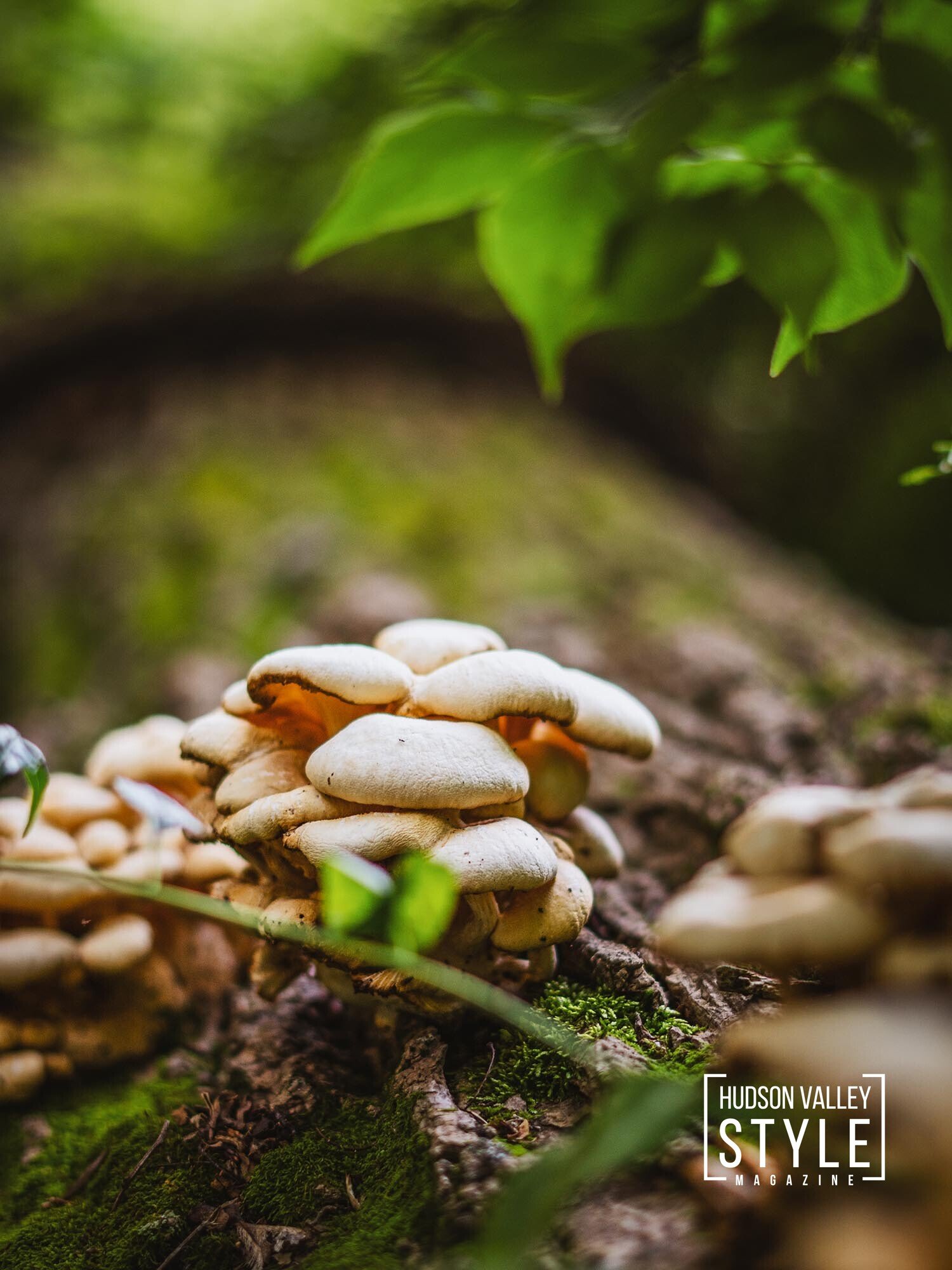
Outside my cabin, the trees are performing their annual transformation with considerably greater elegance than most human institutions manage during a quarterly restructuring. Leaves change color as chlorophyll breaks down and other pigments become visible or develop. Temperatures fall, daylight hours shorten, and the forest enters another phase of its seasonal cycle. The landscape is responding to environmental signals through biological processes refined over evolutionary time.
Human beings respond to environmental conditions too, although our civilization has become remarkably talented at insulating us from the very signals that help organize our physiology.
Forest bathing, commonly associated with the Japanese practice of shinrin-yoku, offers a contemporary framework for examining the experience of spending attentive time among trees. A 2023 systematic review and meta-analysis published in the International Journal of Mental Health Nursing examined 36 studies involving 3,554 participants. The researchers found that forest bathing was associated with reductions in symptoms of depression and anxiety, although results involving physiological outcomes were less consistent.
That research gives scientific context to something I experience whenever I spend an afternoon walking through the Hudson Valley landscape. My attention changes. The immediate sensory world becomes more compelling than whatever was happening on my laptop. The sound of leaves beneath my boots, the temperature of the air, the texture of tree bark, and the shifting light through the canopy create an experience that engages the body and mind together.
Modern civilization spent centuries clearing forests to build factories, roads, and commercial developments, then began investigating whether spending time among the surviving trees might improve our psychological wellbeing. The trees have been remarkably patient with us.
The research also encourages a more thoughtful understanding of wellness travel. A walk through the Catskills can involve physical activity, sensory engagement, environmental awareness, and opportunities for emotional restoration. The landscape provides the setting, while the experience depends on how we inhabit it.

Indigenous Wisdom and the Western Discovery of the Obvious
One of the more revealing features of contemporary wellness culture is its enthusiasm for presenting relationships with nature as newly discovered innovations. A growing body of research now examines nature connectedness, land-based wellbeing, and ecological relationships, often using scientific terminology to describe dimensions of human experience that Indigenous knowledge systems have recognized through generations of observation, cultural practice, and reciprocal relationships with place.
These knowledge systems are diverse, and their understandings of health cannot be reduced to a single universal philosophy. What makes them especially relevant to contemporary discussions of wellbeing is the recognition, present in many Indigenous traditions, that human life exists within relationships involving land, community, other living beings, cultural identity, and responsibility.
A 2021 scoping review of nature, land, and environmental connectedness examined 57 studies and identified important differences between conventional measures of nature connectedness and Indigenous frameworks incorporating cultural relationships with land. The researchers emphasized that Indigenous understandings frequently include relationships with place that extend beyond individual enjoyment of natural scenery.

A separate 2023 paper titled Grounding Wellness: Coloniality, Placeism, Land, and a Critique of Social Determinants of Indigenous Mental Health examines how colonial frameworks can overlook the ecological and geographic dimensions of Indigenous wellbeing. The authors argue that land, place, and environmental relationships deserve recognition within discussions of mental health and the conditions that support it.
This is where my inner Cowboy Philosopher becomes especially interested in the politics of wellness. Colonial and patriarchal systems have historically asserted authority over land, labor, bodies, and knowledge. Their institutions frequently privileged forms of expertise that could be classified, controlled, and administered within established hierarchies. Indigenous knowledge, women’s knowledge, and lived experiences outside those hierarchies were often marginalized, even when they contained sophisticated understandings of ecological relationships and human wellbeing.
Modern molecular biology offers extraordinary tools for examining mechanisms that earlier generations could never directly observe. Indigenous knowledge offers different intellectual traditions through which relationships with the living world have been understood, practiced, and sustained. Recognizing the value of both requires respecting their differences rather than pretending that ancient ecological wisdom was secretly describing NAD+ metabolism.

The philosophical convergence concerns the human organism as a participant in an environment. We eat organisms that grew within ecosystems, respond to cycles of light and darkness, depend on microbial communities, and experience psychological life through bodies that remain inseparable from the places they inhabit.
For all its technological brilliance, industrial civilization has often behaved as though human beings could be removed from those relationships indefinitely. Contemporary research is providing increasingly detailed reasons to reconsider that assumption.

My Catskills Cabin Has a Very Advanced Biological Clock
Morning in the Catskills has its own rhythm. Daylight gradually fills the cabin, the surrounding landscape announces the weather, and my body begins negotiating the familiar transition between sleep and activity. I might start with yoga, prepare breakfast, spend time working, and eventually head outdoors for a walk or a more demanding workout. The sequence changes with the season because the environment itself changes.
In autumn, the days grow shorter and the mornings cooler. Outdoor activity requires different clothing, different timing, and a willingness to cooperate with the weather. These adjustments are ordinary features of seasonal living, but they also remind me that the body is continuously responding to environmental information.
Human circadian rhythms are influenced by light exposure, and researchers have investigated how modern lighting environments affect sleep, alertness, and psychological wellbeing. A large UK Biobank study involving more than 400,000 participants found that greater daytime outdoor-light exposure was associated with more favorable mood, sleep, and circadian-related outcomes. Because the study was observational, it cannot establish that daylight alone caused those differences.

In 2022, an international group of researchers published expert consensus recommendations in PLOS Biology describing patterns of daytime, evening, and nighttime light exposure that support human circadian physiology. Their recommendations emphasize brighter light during the day and reduced light exposure during the evening and nighttime.
My cabin has no formal opinion about circadian biology, yet its windows allow the changing daylight to become part of everyday life. Morning movement takes place in a different sensory environment from an evening spent reading. The landscape helps organize the experience of time.
That connection between environment and wellbeing is central to my earlier Wellness Travel 101 exploration of outdoor yoga and finding inner peace. Movement can travel with us. A yoga mat, an accessible outdoor space, and the willingness to spend time attending to the body can transform an ordinary setting into a personal wellness experience.
As someone who enjoys both serious bodybuilding and the occasional dramatic yoga pose, I appreciate the versatility. Strength training challenges the body through progressive resistance. Mobility work explores range of motion and control. Yoga can combine movement, balance, attention, and breathing. Walking and hiking introduce endurance, changing terrain, and environmental engagement.
Each activity has its own demands and benefits. Together, they allow physical wellness to become part of a varied and pleasurable life.

Food, Microbes, Muscles, and the Delicious Biology of Being Human
The relationship between cellular health and everyday living becomes even more compelling when we enter the kitchen. Food provides energy and essential nutrients, while dietary patterns influence metabolic processes, digestive health, and the microbial communities inhabiting our gastrointestinal tract.
In You Are What You Eat, So Make It Iconic, I explored bodybuilding nutrition through the diet-microbiota-gut-brain axis, a developing field examining interactions among food, intestinal microorganisms, metabolism, and the nervous system.
That research complicates the familiar bodybuilding narrative in which physical progress is presented almost entirely as a triumph of discipline. Training certainly requires effort, consistency, and intelligent programming, but the body performing that work is also responding to nutrition, sleep, stress, and biological processes that extend far beyond conscious motivation.

I find the ecological dimension particularly satisfying. A plate containing vegetables, legumes, berries, nuts, seeds, and other minimally processed foods can provide a diverse collection of nutrients and plant compounds. Those foods also connect us to agricultural landscapes, growing seasons, soil, water, and the human labor involved in cultivation.
In the Hudson Valley, autumn makes that relationship especially visible. Apples, squash, root vegetables, and other seasonal ingredients appear in farm markets and kitchens as the landscape changes around us. Cooking becomes a sensory continuation of the season, bringing the colors, aromas, and flavors of the surrounding environment into daily life.
My Russian cultural relationship with the dacha, which I discussed in the earlier Suburban Cowboy Philosopher essay, adds another perspective. The garden was historically both a source of food and a place where seasonal living, family routines, outdoor activity, and practical relationships with the land came together.
Contemporary nutrition science can describe proteins, fats, carbohydrates, micronutrients, microbial metabolites, and cellular energy pathways. The experience of growing, preparing, sharing, and enjoying food contains additional cultural and psychological dimensions.
For me, culinary wellness becomes especially satisfying when those dimensions meet. A meal can support training and recovery while remaining beautiful, delicious, seasonal, and connected to the place where it is enjoyed.

Productivity, Pleasure, and the Economics of a Healthy Human Body
There is another dimension to longevity that I find especially amusing: the persistent cultural demand that every healthy activity justify itself through productivity.
We are encouraged to exercise so we can perform better at work, sleep so we can become more efficient, meditate so we can manage stress without disrupting the schedule, and take vacations so we can return refreshed enough to resume producing economic value. Even leisure has been recruited into the labor force, wearing an expensive tracksuit and carrying a water bottle.
As a gay man who has spent considerable time observing how patriarchal culture regulates bodies, appearance, sexuality, and acceptable forms of pleasure, I find this obsession with usefulness deeply revealing. The body is expected to look desirable, remain disciplined, behave appropriately, and contribute economically, preferably while requiring minimal accommodation for its actual human needs.

My own philosophy of wellness begins with bodily autonomy. I want to train because strength feels wonderful. I want to eat beautiful food because nourishment and pleasure belong together. I want to practice yoga because moving through space with awareness is satisfying. I want to walk through autumn leaves because the landscape is magnificent and I happen to possess a perfectly functional pair of legs.
The benefits of these activities extend into physical and psychological health, but their value also exists within the experience itself.
This is where wellness travel becomes philosophically important. A well-considered environment can create opportunities for movement, rest, sensory pleasure, privacy, meaningful relationships, and time outdoors. The architecture of a cabin, the accessibility of a trail, the presence of natural light, and the freedom to organize a day around personal interests can influence how people experience their bodies and their surroundings.
The broader implications for longevity are worth exploring. If health is shaped through interactions among biology, behavior, social conditions, and environment, then creating more humane places to live becomes part of the conversation about living well.
My Cowboy Philosopher would prefer that conversation take place outdoors, ideally after a satisfying breakfast and before anyone attempts to schedule a mandatory wellness webinar.

The Future of Longevity Might Look Suspiciously Like Living Well
As research advances, our understanding of cellular aging will undoubtedly become more detailed. NAD+ metabolism, mitochondrial biology, epigenetic regulation, cellular signaling, and the relationships among biological systems offer extraordinary opportunities for scientific discovery. These fields may eventually contribute to more effective ways of maintaining health across the lifespan, although many proposed applications still require convincing human evidence.
At the same time, substantial research already supports the importance of regular physical activity, nutritious dietary patterns, adequate sleep, and environments that make healthy behavior more accessible. Studies of forest bathing, natural light, and environmental connectedness add further dimensions to our understanding of psychological wellbeing and the relationship between people and place.
Indigenous knowledge systems remind us that health can also be understood through cultural continuity, ecological responsibility, relationships with land, and collective wellbeing. Their perspectives challenge the assumption that every meaningful dimension of human health can be captured through an individual laboratory measurement.
These developments suggest a richer philosophy of longevity: cellular science can deepen our understanding of biological processes, while everyday practices and supportive environments shape the conditions in which human life unfolds.
Back in my Catskills cabin, the afternoon sunlight has shifted across the floor. My laptop contains an impressive collection of research papers, my yoga mat has received its customary attention, and the forest outside is glowing with autumn color. The microscopic world continues its astonishing activity inside every cell of my body, entirely indifferent to whether I have finished writing this essay.
I find that rather comforting.
There is still time for a walk before sunset, perhaps a little stretching afterward, and a good dinner made with whatever the season has provided. Tomorrow, the scientific investigation of human longevity will continue, and I will be delighted to read about it. Today, I intend to participate in the much older experiment of being alive.

Continue exploring the relationship between human wellbeing, nature, and the environments we inhabit through the Suburban Cowboy Philosopher and Hudson Valley Style Magazine’s wellness travel and experiential hospitality essays.
// Read The Suburban Cowboy Philosopher: Sunlight, Privacy & Leisure →
// Subscribe to the Hudson Valley Style Magazine Newsletter →
Research & Further Reading
1. NAD+ Supplementation for Anti-Aging and Wellness: A PRISMA-Guided Systematic Review of Preclinical and Clinical Evidence. Gallagher C, Emmanuel OO. Ageing Research Reviews, 2026. A systematic review of 113 eligible studies examining NAD-related interventions and the limitations of current human evidence for anti-aging and wellness outcomes. Read the research on PubMed →
2. Human Whole-Blood NAD+ Levels Do Not Vary With Age or Lifestyle Interventions. Trętowicz MM et al. Nature Metabolism, 2026. Research involving seven independent human cohorts challenges the assumption that whole-blood NAD+ concentrations consistently decline with age. Read the study →
3. Emerging Strategies, Applications and Challenges of Targeting NAD+ in the Clinic. Nature Aging, 2025. A review of NAD+ biology and emerging research involving cellular metabolism, aging, and potential clinical applications. Read the review →
4. The Effects of Forest Bathing on Psychological Well-Being: A Systematic Review and Meta-Analysis. Siah CJR et al. International Journal of Mental Health Nursing, 2023. Analysis of 36 studies involving 3,554 participants examining psychological and physiological outcomes associated with forest bathing. Read the research on PubMed →
5. A Scoping Review of Nature, Land, and Environmental Connectedness and Relatedness. International Journal of Environmental Research and Public Health, 2021. A review examining approaches to understanding environmental relationships, including Indigenous frameworks of land and cultural connectedness. Read the research →
6. Grounding Wellness: Coloniality, Placeism, Land, and a Critique of Social Determinants of Indigenous Mental Health in the Canadian Context. Josewski V, de Leeuw S, Greenwood M. International Journal of Environmental Research and Public Health, 2023. A critical examination of colonial frameworks, land, place, and ecological dimensions of Indigenous mental health. Read the research on PubMed →
7. Time Spent in Outdoor Light Is Associated With Mood, Sleep, and Circadian Rhythm-Related Outcomes. Burns AC et al. Journal of Affective Disorders, 2021. A large observational study examining relationships between outdoor daylight exposure, sleep, circadian characteristics, and psychological wellbeing. Read the study →
8. Recommendations for Daytime, Evening, and Nighttime Indoor Light Exposure to Best Support Physiology, Sleep, and Wakefulness in Healthy Adults. Brown TM et al. PLOS Biology, 2022. Expert consensus recommendations concerning light exposure and human circadian physiology. Read the research →
Related Essays by Maxwell Alexander
The Suburban Cowboy Philosopher: Sunlight, Privacy, Leisure and the Economics of Simply Being Human — An exploration of experiential hospitality, bodily autonomy, natural environments, and the economics of human pleasure.
You Are What You Eat, So Make It Iconic — Bodybuilding nutrition, the diet-microbiota-gut-brain axis, and the relationship between food, motivation, and emotional wellness.
Wellness Travel 101: Finding Inner Peace Anywhere With Free Outdoor Yoga — Exploring accessible outdoor movement and wellness experiences.
About the Author
Maxwell Alexander, MA, BFA, is Editor-in-Chief of Hudson Valley Style Magazine, a Certified Fitness Trainer, Bodybuilding and Sports Nutrition Coach, photographer, experiential designer, and queer artist. His writing explores the intersections of physical fitness, longevity, nutrition, mental health, environmental experience, bodily autonomy, and contemporary hospitality. Through the Suburban Cowboy Philosopher and Experiential Hospitality 101 series, Alexander examines how the places we inhabit shape the experience of being human.
Editorial note: This essay combines peer-reviewed scientific research with personal experience, cultural criticism, and philosophical interpretation. Research findings are distinguished from the author’s reflections. Emerging NAD+ research does not establish that manipulating NAD+ extends human lifespan or that outdoor wellness practices produce their benefits through NAD+ pathways.